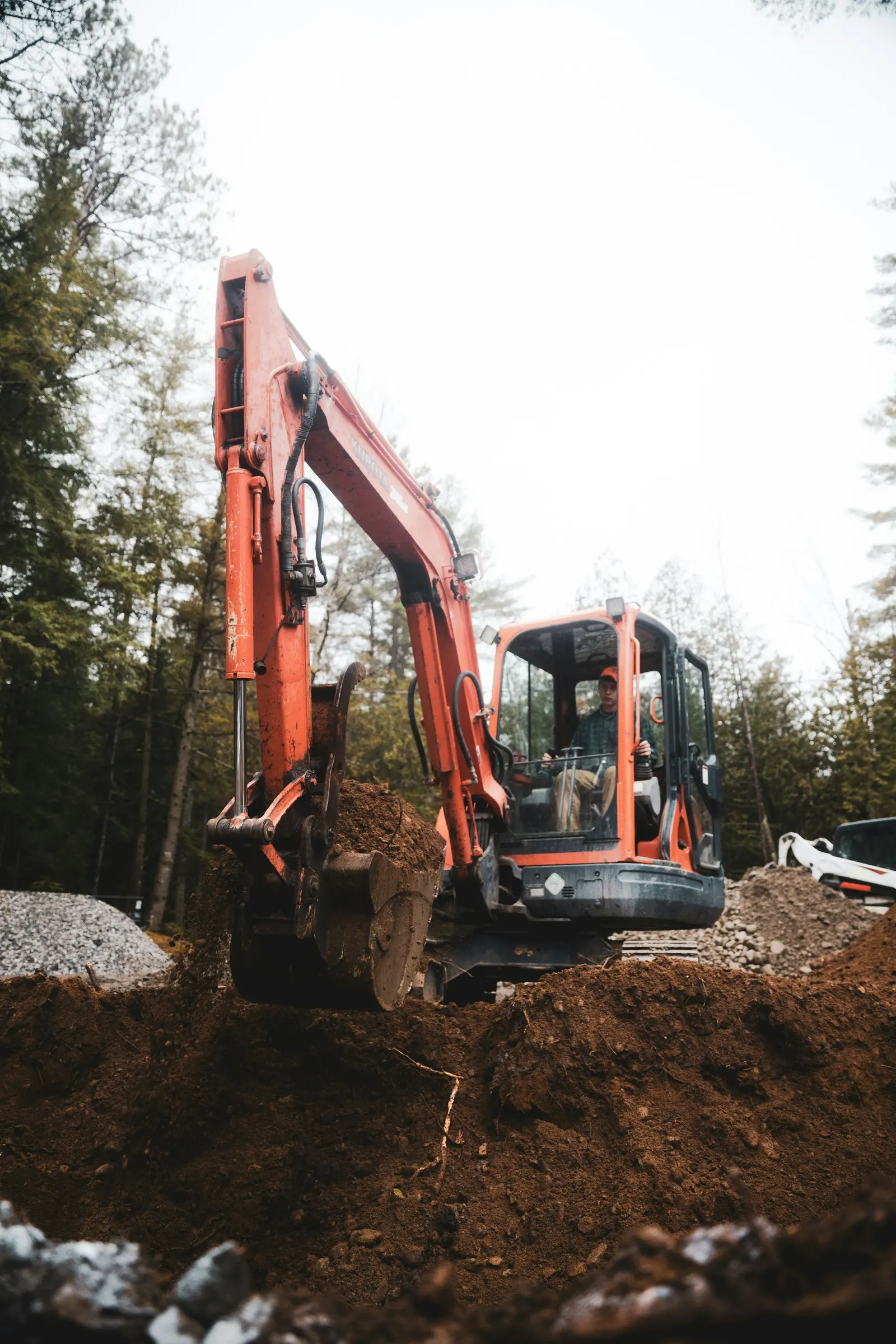
Oro-Medonte Township
Dry basements on the moraine and along the lake
Interior and exterior waterproofing, foundation crack repair, sump pumps and drainage for houses across Oro-Medonte. We find where the water gets in, fix that, and put it in writing first. Well and septic located before a bucket goes in the ground.
- 24/7 emergency line
- Free on-site assessment
- Written scope and price before work
Why here is different
Three kinds of ground, three kinds of wet basement
Oro-Medonte is not one soil. Where your house sits decides how water reaches it, and that decides the repair.
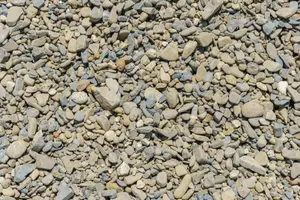
Moraine sand and gravel
Horseshoe Valley, Sugarbush, Craighurst, Edgar: the Oro Moraine is roughly 21 km of sand and gravel that lets most rainfall soak straight in. Basements here leak from grade, gutters and window wells, rarely from a high water table.

Lakeshore and creek flats
Shanty Bay, Oro Station, Hawkestone, the Bass Lake shore: flat lots with the water table close to the floor. Water comes up through the slab and cove joint. Pumps and under-slab drainage matter most here.
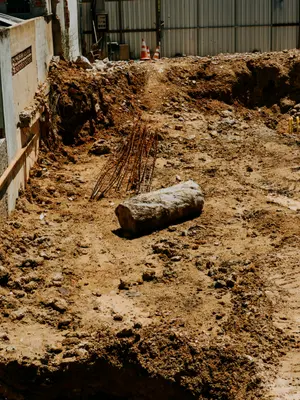
Clay pockets and silt layers
The moraine has silt and clay layers between its sand beds, and the older farm lots have clay near the surface. Clay holds water against the wall for weeks after a melt, so it leaks at the base and through cracks.
What we do
Six repairs. The assessment tells you which one you need.
Most houses need one of them. Some need two. None of them needs all six, and we will say so. Each line opens its own page.
 01
01Interior waterproofing
A drain inside the wall, under the slab edge, run to a sump.
 02
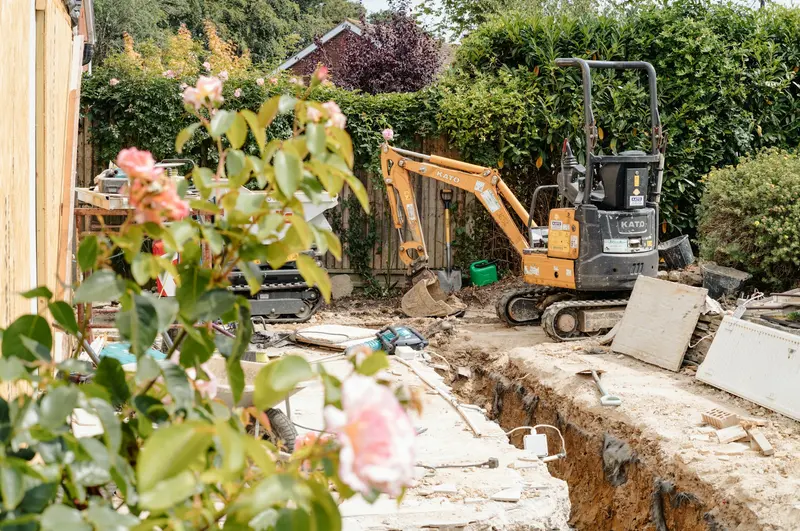
02Exterior waterproofing
Dig to the footing, seal the wall from outside, replace the drain.
 03
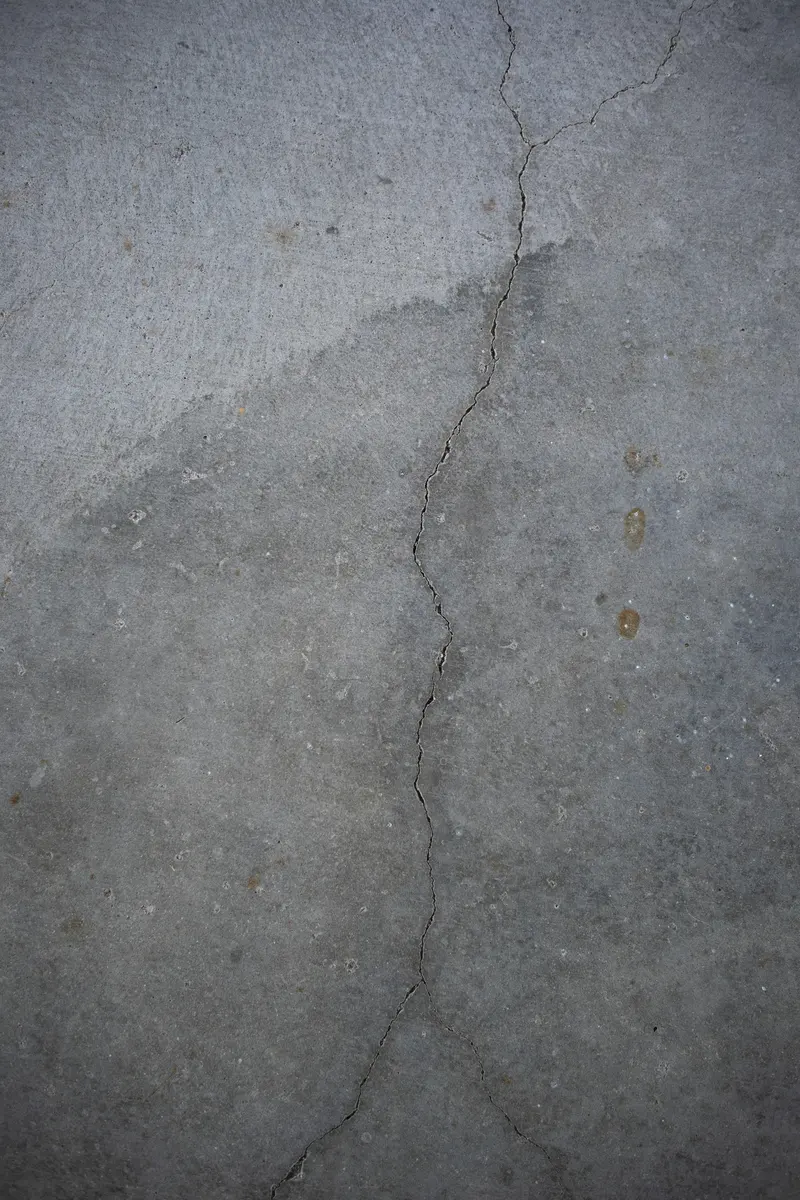
03Foundation crack repair
Polyurethane injected through the full thickness of a poured wall.
 04
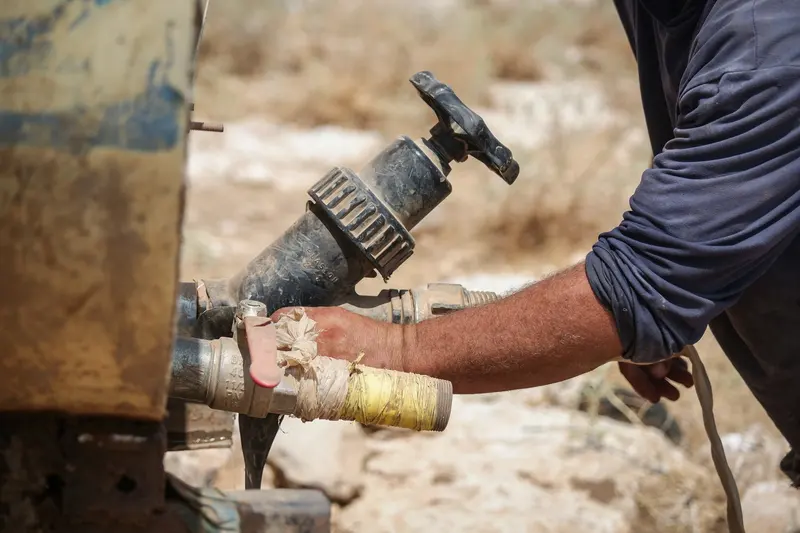
04Sump pumps and backups
A pit sized for your water, a pump on a base, a battery for outages.
 05
05Weeping tile replacement
When the old tile has silted up, collapsed or was never there.
 06
06Window wells and grading
Downspouts, grade and window wells: the cheap fixes done properly.
Read the wall
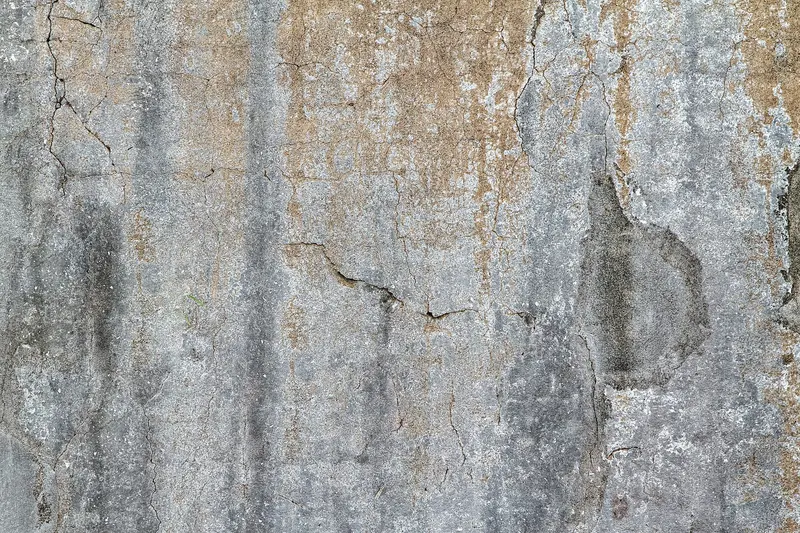
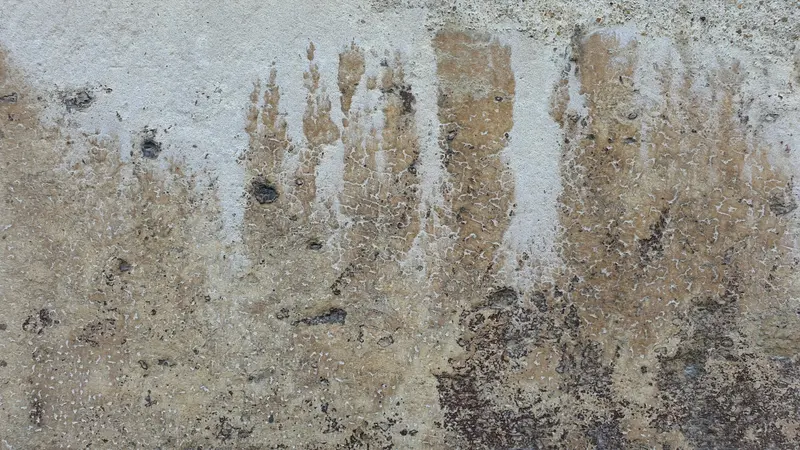
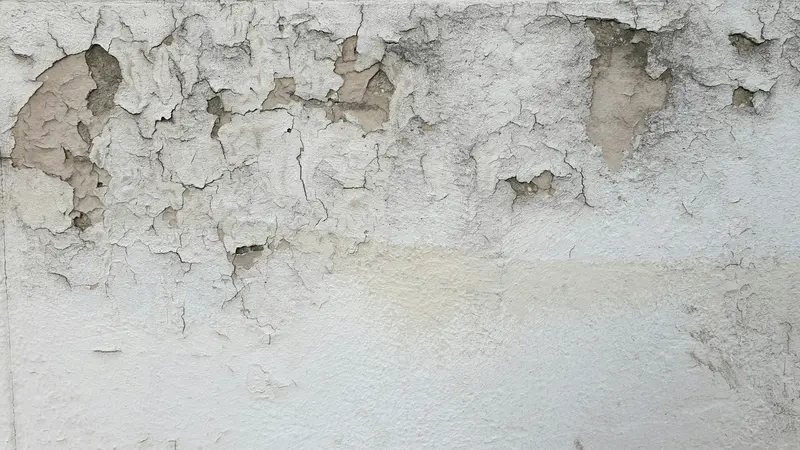
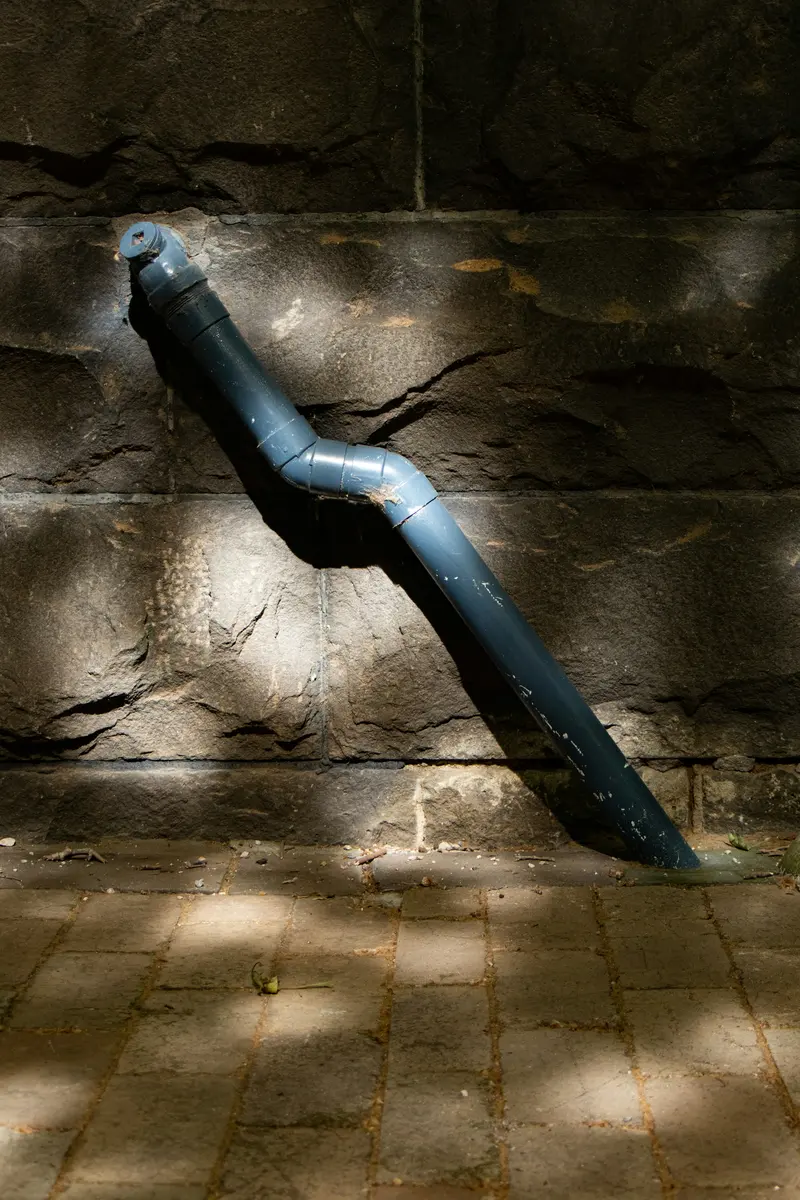
What water looks like before it is a flood
These four things are the ground telling you something. Each one has a specific cause and a specific fix.
In section
What an exterior system actually is
The drawing is a poured wall after the work. Water arriving from the yard meets a sealed face, drops through the drainage board to the footing and leaves through the new tile. The wall never gets wet, which is why this is the method for a basement you plan to finish.
- Membrane on the wall faceRubberised coating applied to a cleaned wall from footing to grade.
- Drainage boardA dimpled sheet that keeps soil off the membrane and gives water a path down.
- New weeping tile in clear stonePerforated pipe at the footing, wrapped in filter fabric so it does not silt up.
- Water goes down, not inThe tile carries it to a sump or to daylight on a sloping lot.
Open 24 hours, every day
Water does not wait for Monday, so neither do we
The line is answered around the clock. At night we will tell you what to do before we arrive: what to switch off, what to move, and why not to pump a flooded slab dry while the ground outside is saturated.
(705) 881-8843- 585 km²of township, from Highway 400 to the Orillia line, that we cover
- 21 kmlength of the Oro Moraine, the sand-and-gravel ridge most of the township sits on
- 48 km²drained by Hawkestone Creek alone, all of it inside Oro-Medonte
- 8,636households in the township (2021 census), most on private well and septic
Inside or outside
The two systems, honestly compared
Both work. They solve different problems, cost different amounts and disturb different parts of your property.
Interior drainage
- Stops
- Water reaching the floor and the cove joint; seepage through the wall face.
- Does not stop
- The wall itself getting wet on the outside.
- Disturbs
- The basement floor along the wall, about 30 cm wide. Finished walls come off.
- Season
- Any. We install through the winter.
- Best for
- Lakeshore lots, water from below, yards that cannot be dug, tighter budgets.
Exterior waterproofing
- Stops
- Water touching the wall at all. Fixes the tile and the grade in the same dig.
- Does not stop
- Water rising through the slab from a high water table.
- Disturbs
- The yard along that wall. Decks, walkways and plantings come out and go back.
- Season
- Frost-free months, roughly April to November.
- Best for
- Block walls, finished basements, whole-wall leaks, moraine lots with machine access.
How it goes
From the first call to the last hose test
Five steps, and you know the price after the second one.
Call or send the form
Tell us where the house is and where the water shows up. In an emergency we talk you through the first hour.
On-site assessment
We walk the outside, read the wall inside, check the sump and window wells, and locate well and septic. No charge.
Written scope and price
What we will do, wall by wall, what it costs, how long it takes and what you need to move.
The work
One crew, the dates we agreed. A wall we open is closed before the next rain.
Test and walk-through
We flood-test the drain, run the pump, and show you what was done with photos of the parts you cannot see.
The wettest month
April is when the township finds out
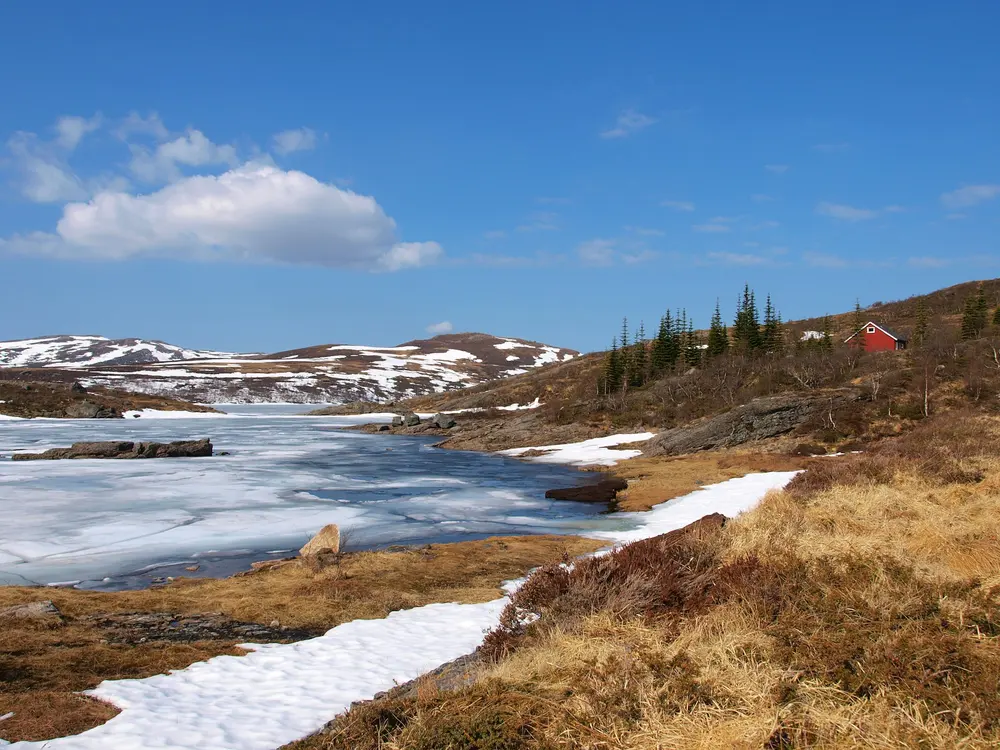
Snow that fell from December to March melts in a few weeks, onto ground that is still frozen a hand-span down. It cannot soak away, so it runs: along the surface into window wells, and along the top of the frost layer against the foundation. Rain on top of that fills every low spot.
A basement that leaks only in spring does not have a rain problem. It has a route for water that is open for about a month a year. Downspouts, grade and window wells fix a surprising share of those houses; the rest need drainage that works while the ground is saturated.
Downspouts, grade and window wells
Where we work
All of Oro-Medonte, and the edges of Barrie and Orillia
Lakeshore: Shanty Bay, Oro Station, Hawkestone, Carthew Bay, Eight Mile Point. Moraine: Horseshoe Valley, Sugarbush, Craighurst, Edgar, Guthrie, Jarratt, Bass Lake. North of Highway 12: Warminster, Moonstone, Prices Corners, Forest Home, Rugby, East Oro.
Same-day emergency calls across the township. Assessments are booked by area so that a crew is never more than half an hour from you.
What the ground does in each communityQuestions
Asked on most first visits
Why does my basement only leak in spring?
Because that is when the ground around your house holds the most water: the snowpack melts over a few weeks, the frost is still in the top layer so the water cannot soak away, and spring rain lands on top of it. On the moraine that water usually drains once the frost is out; on the lakeshore flats and in clay pockets it sits against the wall for weeks. A basement that leaks only in April has a drainage problem, not a rain problem.
Interior or exterior: which one do I need?
Exterior waterproofing stops water before it touches the wall, so it is the answer when the wall itself must stay dry: a finished basement you want to keep, block walls that are deteriorating, or a wall that leaks along its whole length. Interior drainage collects water once it reaches the wall and pumps it out, so it suits houses where the yard cannot be dug, where the water comes up through the floor, or where the budget has to stay lower. Many houses get both: a crack injected from inside and grading fixed outside.
What decides the price of basement waterproofing?
Four things, in this order: how much of the wall is wet (a single crack is a small job; a whole wall is a drainage job), whether the fix is inside or outside (outside means excavation, so access for a machine matters), what is in the way (decks, walkways, a finished basement, utilities close to the wall) and what the ground is (moraine sand digs fast, clay does not). We measure all four at the assessment and give you a written price before anything is booked.
We are on a well and septic. Does that change anything?
Yes, two things. Before any excavation we locate the septic bed and lines, the well casing and its water line, so the machine never goes near them. And the discharge from a sump has to go somewhere that is not the septic bed and not back at the well head, which on a small lot takes some thought. Many houses in the township are on private services, so this is routine for us, but it has to be planned, not discovered.
There is water in my basement right now. What should I do first?
Turn off power to the affected area at the panel if water is near outlets or the furnace. Move what you can. Do not pump a flooded basement dry while the ground outside is saturated: the water is also holding the floor down, and on a lakeshore lot a slab can heave. Call the 24/7 line at (705) 881-8843; we will tell you what to do tonight and come out to find the entry point.